What is a Kantha Stitch?
The Kokum Tree Magazine

What is a Kantha Stitch?

A kantha stitch is a running stitch — and the oldest embroidery tradition in India. Here is what it is, how it works, and what it looks like on a finished throw.

June 14, 2026 2 min read
EducationKanthaKantha StitchTextile History
The Quick Answer

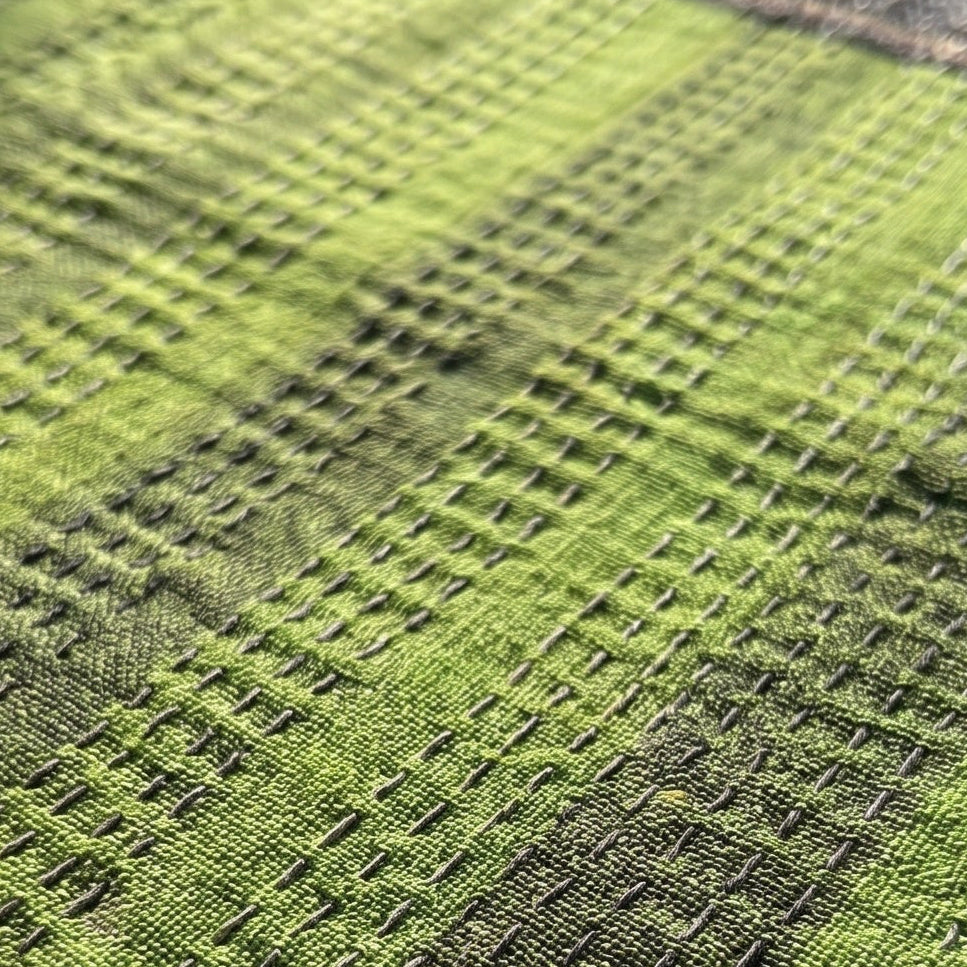
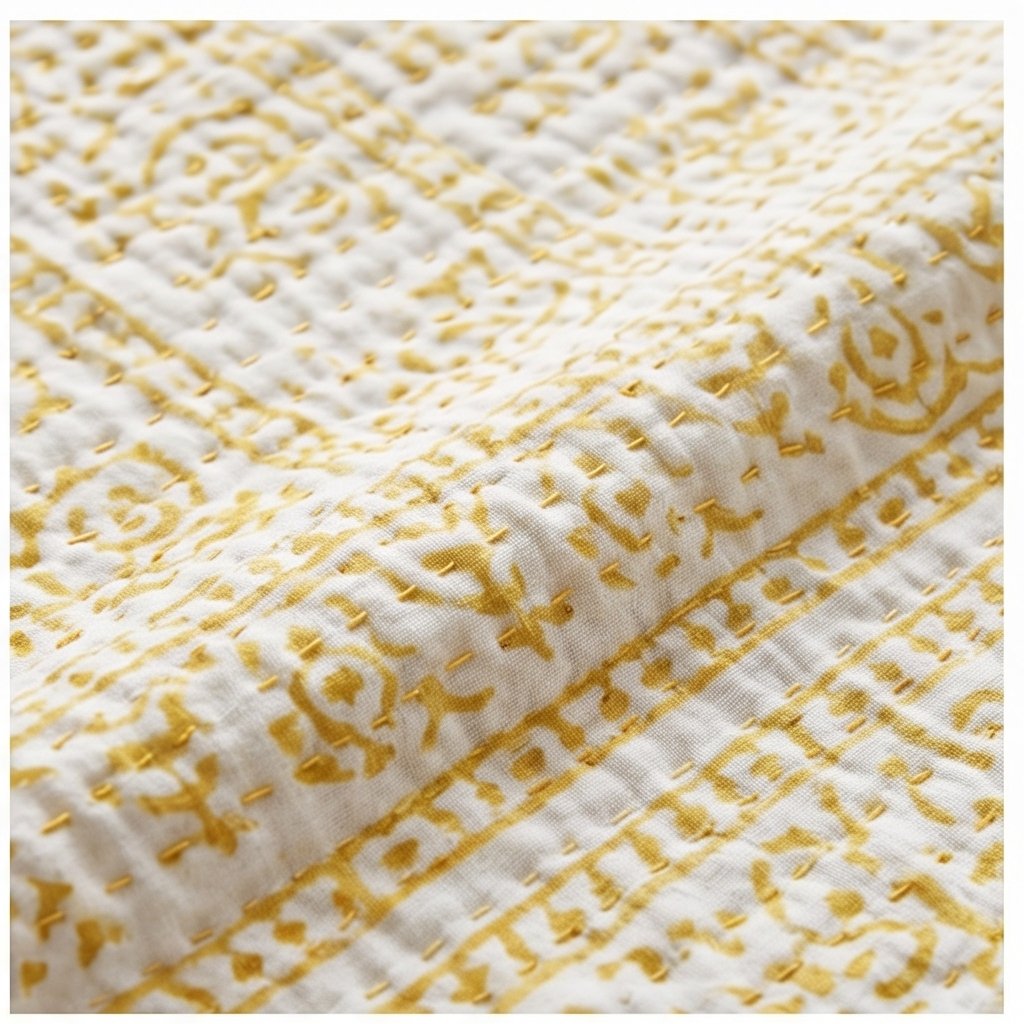
The kantha stitch is a running stitch — needle in, needle out, at regular intervals through layers of cotton. It is one of the oldest forms of embroidery from India, and it is what gives kantha throws their distinctive quilted texture and slight surface ripple.

i.

Where the stitch comes from

The word kantha refers to both the stitch and the finished cloth — and the tradition behind it is rooted in Bengal: the eastern Indian states of West Bengal and Odisha, and what is now Bangladesh. Rural women in these regions stitched together worn saris and scraps of old cotton to make quilts for their families. The stitch they used was the simplest available: a running stitch, passing in and out of layered fabric in a straight line.

What varied was how the stitch was arranged — denser in some areas, spaced differently in others — to form motifs of fish, birds, lotus flowers, and geometric patterns. The craft is documented as far back as the pre-Vedic period, though it nearly disappeared in the early 19th century before a revival brought it to the artisans practicing it today.

ii.

How the stitch works

A kantha stitch is physically simple. The needle passes in and out of the fabric at regular intervals, leaving a broken line of thread on the surface. What makes it work as a quilting technique is the layering: multiple layers of cotton are stacked together, and the running stitch passes through all of them, binding the layers while simultaneously building up the surface pattern.

The finished cloth has a slight ripple or wave — a natural result of the thread gathering the fabric as it passes through. That texture is how you know the stitching is done by hand. The density of stitching determines how pronounced this effect is: tightly packed rows give a more textured surface; wider spacing leaves the cloth flatter.

iii.

What the stitch looks like on a finished throw

On a kantha throw, the running stitch is visible on both sides. This is one reason kantha pieces are naturally reversible — the stitch binds layers throughout, so neither side is a back. Some throws feature stitching across the entire surface; others concentrate it in specific areas to create shading or defined motifs.

Because each piece is stitched by hand at a different pace, with different thread tension, by different artisans, no two kantha throws have identical stitching. The differences in density, pattern, and coverage are not inconsistencies — they are what makes the craft readable on the object itself.

Common questions

What people
ask

i.

Is kantha stitch the same as a running stitch?

Yes — kantha stitch and running stitch describe the same basic motion. What distinguishes kantha is how that stitch is applied: through multiple layers of cotton, often in dense patterns, to both quilt the fabric and create surface design at the same time.

ii.

What does the kantha stitch feel like on a throw?

The stitching creates a light, quilted texture. Where the threads gather the fabric, you will feel a gentle wave or ripple across the surface — more noticeable in pieces with denser stitching. With washing and use, the texture softens but the stitching holds.

iii.

Can you machine wash a kantha throw?

Most kantha throws handle a gentle machine wash in cold water well. The cotton layers and hand stitching are more durable than they might appear. That said, checking the care label on your specific piece is always the right starting point.

Every Kantha Throw Is Stitched by Hand

No two are the same — the differences in pattern, density, and drape are what make each piece genuinely one-of-a-kind.

Browse Kantha Throws